Demodex – The Underappreciated Culprit in Blepharitis, Meibomian Gland Dysfunction and Dry Eye Disease
Demodex – Introduction
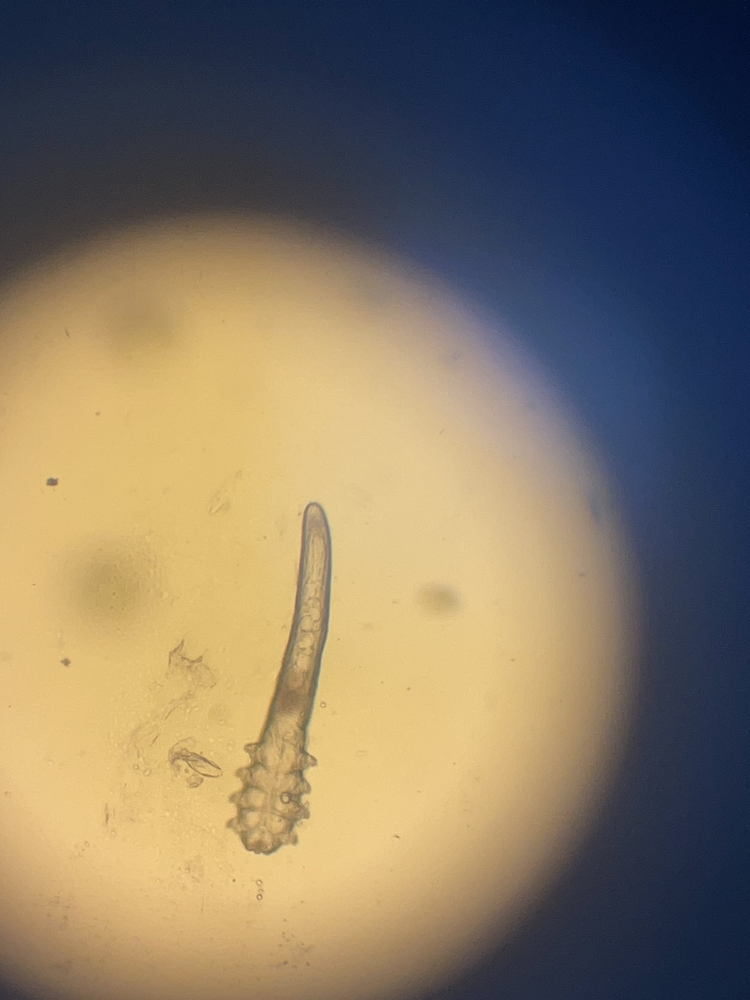
Demodex is a type of microscopic mite that lives within the hair follicles and sebaceous glands of mammals, including humans. Two species of Demodex, namely Demodex folliculorum and Demodex brevis, are found on human skin, often in the area around the eyes. Demodex is increasingly recognized as a significant factor in several ocular surface diseases, including blepharitis, meibomian gland dysfunction (MGD) and dry eye disease. This article will clarify the biology of Demodex, its potential role in these conditions, the need to treat it and the various treatment options available.
Demodex – The Tenant Invisible to the Eye
Demodex mites are usually harmless and live in symbiosis with their human hosts, thriving on the sebum within hair follicles and sebaceous glands. These microscopic creatures are most often found on the face, particularly in the area around the eyes at the base of our eyelashes. In some people, however, an overpopulation of Demodex or a sensitive immune response can lead to inflammatory conditions.
Demodex and Ocular Surface Diseases
- Blepharitis: Blepharitis refers to inflammation of the eyelid margins, often presenting as red, swollen eyelids with flaking scales. Demodex blepharitis is a subtype in which an increased population of Demodex mites on the eyelids leads to an inflammatory response. The Demodex can block the eyelash follicles, leading to bacterial overgrowth and causing the release of inflammatory substances, which produces symptoms such as itching, burning and eyelash crusting.
-
Meibomian gland dysfunction (MGD): This is a chronic condition in which the meibomian glands, essential for healthy lubrication of the eyes, fail to function properly. Demodex mites can invade these glands, disrupting their normal function and leading to gland blockage. This can in turn cause thickening of the secreted meibum, leading to instability and evaporation of the tear film and thereby promoting symptoms of dry eye.
-
Dry eye disease: Dry eye disease is a multifactorial condition resulting from inadequate tear production or increased tear evaporation, leading to ocular discomfort and visual disturbances. Because Demodex mites can cause MGD and blepharitis, both of which can impair the quality and stability of the tear film, they indirectly contribute to the development of dry eye disease.
Demodex – The Need for Treatment
Treating Demodex is essential for several reasons. First, the mites directly cause symptoms, ranging from itching and burning sensations to dryness and visual disturbances. Second, uncontrolled Demodex populations can drive chronic inflammation, which can further aggravate the above conditions and may lead to more serious complications such as corneal damage. Finally, evidence suggests that controlling Demodex populations can significantly improve symptoms and clinical signs in patients with Demodex-related ocular surface diseases.
Demodex – Treatment Options
-
Eyelid hygiene: Regular, meticulous eyelid hygiene is a fundamental step in treating Demodex. Warm compresses, eyelid massage and scrubbing with tea tree oil–based products can physically dislodge the mites and their eggs, reducing their population.
-
Topical medications: Topical agents such as tea tree oil, metronidazole or ivermectin have shown efficacy in reducing Demodex populations. Tea tree oil is particularly potent against Demodex due to its natural properties. However, caution should be exercised because of potential irritation and toxic effects on the corneal epithelium.
-
Oral medications: In severe cases, oral ivermectin, an antiparasitic drug, can be used. It has demonstrated efficacy against Demodex mites but should be used judiciously due to possible side effects.
-
Intense Pulsed Light (IPL): IPL therapy, a non-invasive treatment initially used for skin rejuvenation, has been found highly beneficial for treating Demodex. It works by delivering pulses of light that destroy the mites and improve meibomian gland function, thereby helping to relieve the symptoms of both MGD and dry eye disease.
Summary
Demodex mites, the invisible residents of our eyelids, have emerged as significant players in ocular surface diseases, particularly blepharitis, MGD and dry eye disease. The complex relationship between Demodex and eye diseases highlights the need for accurate understanding, diagnosis and management of Demodex. With a range of treatment options available, clinicians can tailor their approach to effectively combat Demodex, relieve patient symptoms and preserve eye health.