Important: Prof. Mimouni is not in the Maccabi network. Maccabi’s supplementary plans (Maccabi Kesef, Maccabi Zahav, Maccabi Sheli) do not cover and do not reimburse a private consultation, test or operation with him. This page explains what Maccabi offers its own members; seeing him privately is a separate route.
Recommended Maccabi Eye Doctor – How Do You Choose the Best Specialist?
Recommended Maccabi eye doctor
Choosing a recommended eye doctor with the Maccabi Health Fund (Maccabi Healthcare Services) is a significant decision that can affect the quality of your vision and the overall health of your eyes. There are several considerations worth weighing when selecting the right physician. First, it is advisable to check the doctor’s area of specialization and make sure it matches your specific needs, whether you require routine examinations, treatment for dry eyes, glaucoma, cataract, or retinal diseases. Second, pay attention to the doctor’s experience and seniority in the field, since a highly experienced physician can offer a more accurate diagnosis and a more advanced therapeutic approach. In addition, feedback from previous patients can be a decisive factor when choosing a recommended eye doctor at Maccabi. Positive reviews regarding professionalism, personal attention, and appointment availability help paint a clear picture of the quality of service. The convenience of reaching the clinic and the services offered at the facility where the doctor works are also important considerations, especially for patients who require ongoing medical follow-up. Finally, make sure the doctor works with Maccabi and accepts patients under the relevant supplementary insurance plan, so that you can enjoy high-quality service at an affordable cost.
Recommended Maccabi Eye Doctor – Why Is It Important to Choose Wisely?
Choosing a recommended Maccabi eye doctor is critical not only for maintaining eye health, but also for the early diagnosis of problems that can worsen if not treated in time. Many eye diseases, such as glaucoma, cataract, and retinal diseases, develop gradually and without noticeable signs in their early stages. Early diagnosis by a skilled ophthalmologist can therefore prevent irreversible damage and improve the chances of success of the various treatments. Beyond that, a professional and experienced eye doctor can tailor the medical approach to each patient individually, taking into account factors such as age, prior medical history, and lifestyle. A doctor who is insufficiently skilled may offer suboptimal treatments or delay the diagnosis of serious conditions, which can lead to a worsening of the situation and the need for more complex treatments in the future. The choice of the right doctor also affects the patient experience. An attentive and patient physician will help ease concerns, explain the treatment options clearly, and make sure the patient receives all the information they need. Choosing the right recommended Maccabi eye doctor is therefore not only a matter of medical professionalism, but also of personal attention and support throughout the entire journey.
How to Find a Recommended Maccabi Eye Doctor Who Suits Your Needs?
Finding a recommended Maccabi eye doctor who matches your personal needs is a process that requires a thorough review of several factors. First, it is important to define the reason for the visit – is it a routine vision examination, treatment for dry eyes, cataract surgery, monitoring of glaucoma, or retinal disease? Every area of ophthalmology has its own dedicated specialists, so choosing a doctor with the appropriate subspecialty will directly affect the quality of care you receive. One of the most effective ways to find a recommended Maccabi eye doctor is through the feedback of previous patients. You can check recommendations online, in medical forums, in social media groups, or through Maccabi itself, which provides access to information about the physicians on its provider list. In addition, it is worth checking doctors’ ratings on medical websites and reading reviews that address professionalism, personal attention, appointment availability, and patient satisfaction. It is also important to consider the clinic’s location and how easy it is to get there. If ongoing medical follow-up is required, choosing a doctor located nearby or one who offers flexible appointment times can make things easier for you in the long run. Likewise, check whether the doctor accepts patients under Maccabi’s basic health basket or whether supplementary insurance is required in order to receive the service at a reduced cost.
What Are the Criteria for Choosing a Recommended Maccabi Eye Doctor?
Choosing a recommended Maccabi eye doctor is a decision with implications for the quality of your vision, so it is worth paying attention to several key criteria. First and foremost, check the doctor’s area of specialization and make sure it fits your medical problem or need. An eye doctor who deals mainly with routine examinations will not necessarily be the right choice for complex cases such as retinal diseases or laser vision correction surgery. Experience and professionalism are additional significant factors. An eye doctor with many years in the field and a large volume of treated cases can offer a more accurate diagnosis and tailor an optimal therapeutic approach. Furthermore, up-to-date training and the use of advanced technologies are an advantage, since ophthalmology is a rapidly advancing field, and physicians who keep learning and use state-of-the-art equipment can offer higher-quality treatments. Another consideration is the doctor’s availability. Make sure that appointments can be scheduled within a reasonable time frame and that the clinic provides a response in urgent cases. Many patients struggle to book appointments with busy physicians, so a doctor who is available for treatment and real-time follow-up may be preferable in certain cases. Likewise, personal attention and good communication between doctor and patient are important components of any medical process. An attentive eye doctor who can explain the patient’s condition clearly and answer their questions contributes significantly to the treatment experience. Choosing a doctor with a patient and supportive approach can make the medical process more pleasant and efficient. Finally, check whether the doctor accepts patients under the Maccabi arrangement and whether supplementary insurance is needed for certain services. Choosing the right recommended eye doctor can ensure quality care, accessible service, and high availability, so that you can maintain your eye health in the best possible way.
Eye Examinations with a Recommended Maccabi Eye Doctor – Which Tests Are Available?
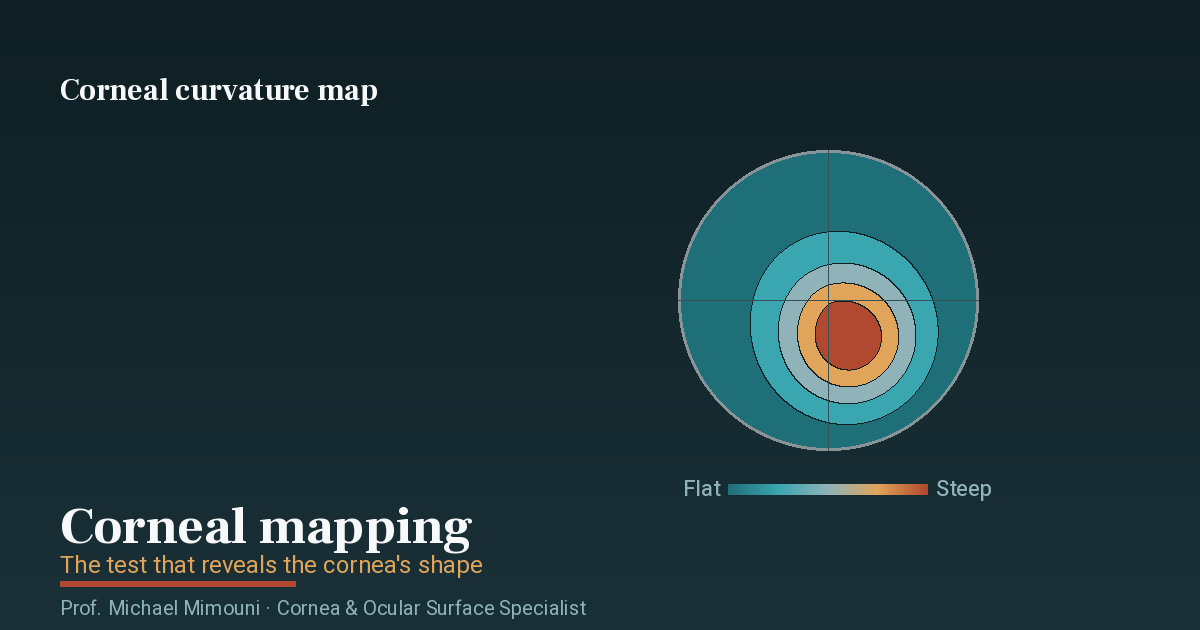
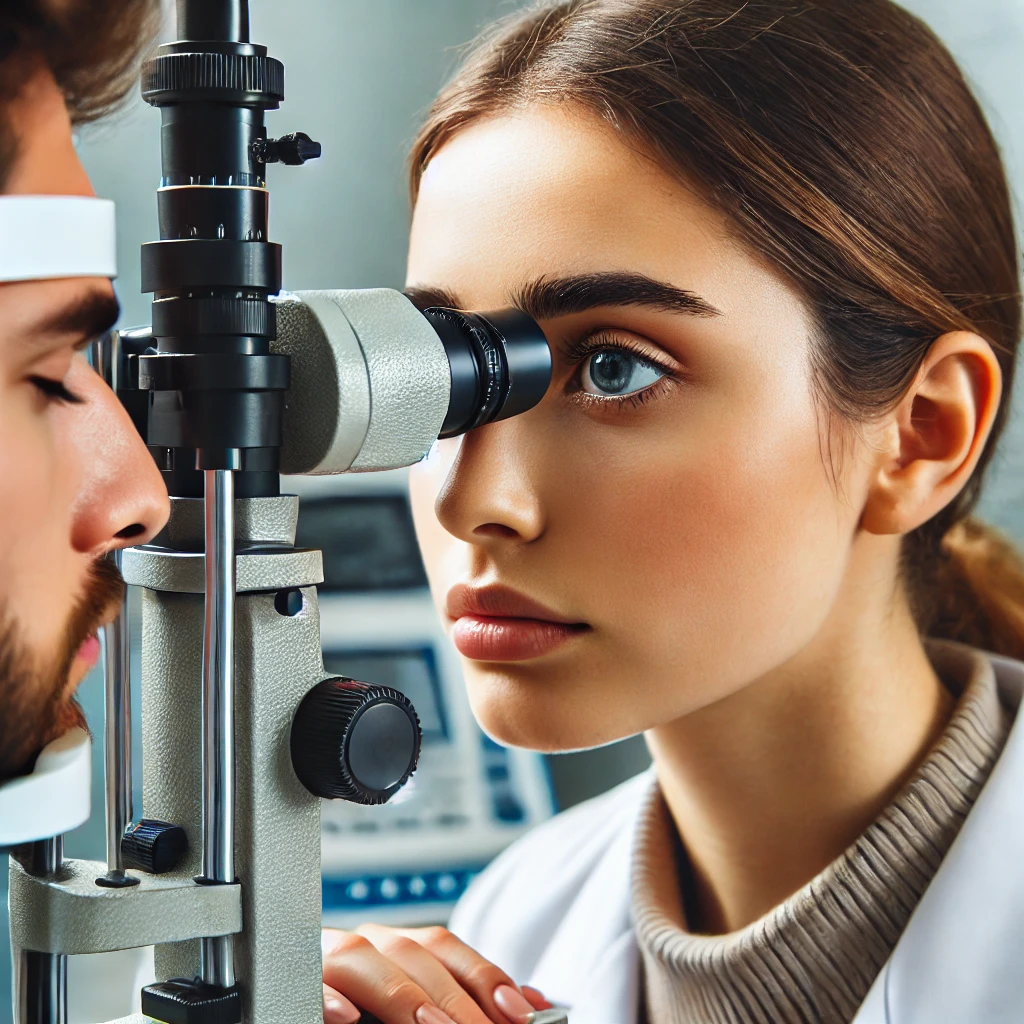
A recommended Maccabi eye doctor offers a wide range of eye examinations aimed at diagnosing vision problems and eye diseases and determining the need for appropriate treatments. One of the most common tests is the visual acuity examination, which measures the patient’s ability to identify details at various distances. This test is essential for determining a prescription for glasses or contact lenses and forms the basis for additional eye examinations. In addition, an eye doctor can perform an intraocular pressure test, carried out by tonometry, whose purpose is to detect early signs of glaucoma – a disease that can cause irreversible damage to the optic nerve if not treated in time. Additional tests include a fundus examination (funduscopy), which allows the doctor to assess the condition of the retina, the blood vessels, and the optic nerve. This examination is especially important for patients with diabetes, hypertension, or hereditary retinal diseases. For patients complaining of dry eyes, a recommended eye doctor at Maccabi may perform a tear film stability test (TBUT) or a Schirmer test, which are used to evaluate tear production and quality. Additional tests, such as corneal topography, are used to diagnose structural abnormalities of the cornea, including keratoconus. Visual field testing can also be performed to detect damage to the optic nerve or specific areas of the retina. A recommended Maccabi eye doctor can also offer advanced tests, such as OCT imaging of the retina and optic nerve, which provides detailed imaging of the retinal layers for the diagnosis of glaucoma, macular edema, retinal degeneration, and more. Choosing a doctor with access to advanced equipment and a wide range of tests allows patients to receive a comprehensive diagnosis and personalized treatment.
Recommended Maccabi Eye Doctor for Dry Eye Treatment – What Are the Options?
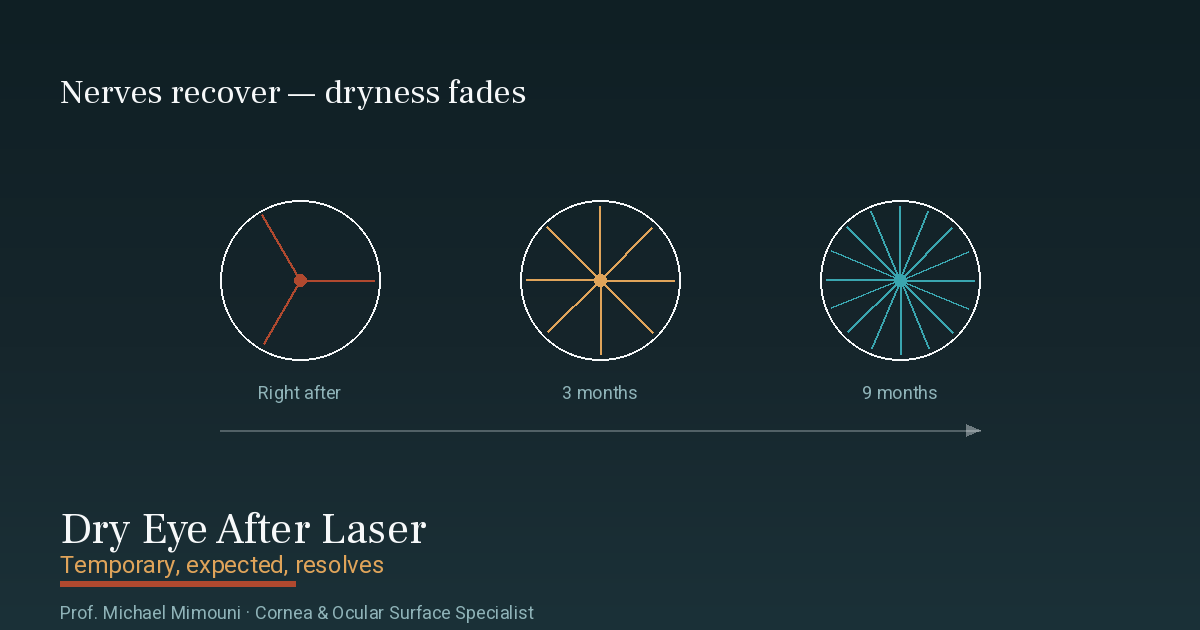
Dry eye is a common condition that can cause significant discomfort, blurred vision, and a burning or irritated sensation. A recommended Maccabi eye doctor can diagnose the cause of the dryness and tailor the appropriate treatment according to the severity of the condition and the contributing factors. One of the first and most common solutions is the use of lubricating eye drops (artificial tears), which help relieve symptoms and improve tear film stability. Preservative-free drops are available and are recommended for patients suffering from chronic dryness or high sensitivity. Beyond eye drops, an eye doctor may recommend treatment with punctal plugs, which block the tear drainage channels in order to prolong the time tears remain on the ocular surface. This is a simple in-office procedure that involves no pain or downtime. For patients suffering from more severe dryness, a recommended eye doctor may offer more advanced treatments, such as drops based on the patient’s own serum (autologous serum drops), which contain biological components that help restore the ocular surface. In addition, IPL (intense pulsed light) treatments are used to improve the function of the meibomian glands in the eyelids, whose secretions are essential for maintaining the tear film. In some cases, dry eye stems from external factors such as prolonged screen use, dry weather, or contact lens wear. In such cases, a recommended Maccabi eye doctor can recommend lifestyle changes, such as scheduled breaks from computer work, the use of humidifiers, and a diet richer in the essential fatty acids important for eye health. Combining an accurate diagnosis with personalized treatment can significantly improve the quality of life of patients suffering from dry eyes.
Recommended Maccabi Eye Doctor for Cataract Surgery – Everything You Need to Know
Recommended Maccabi eye doctor for cataract surgery
Cataract is a common condition that develops with age and causes clouding of the eye’s natural lens, leading to a gradual decline in vision. When vision is significantly affected and glasses no longer help, cataract surgery is the most effective solution. A recommended Maccabi eye doctor for cataract surgery can diagnose the severity of the problem and recommend the appropriate treatment, taking the patient’s needs and lifestyle into account. The surgery itself is performed with advanced technologies; today it is even possible to perform laser-assisted cataract surgery (femtosecond laser), which allows more precise incisions in the lens and reduces potential risks. During the operation, the cloudy lens is removed and replaced with an artificial intraocular lens, and the patient can choose between monofocal lenses, multifocal lenses, and toric lenses for astigmatism correction. A recommended Maccabi eye doctor for cataract surgery will accompany the patient through every stage of the process – from the initial diagnosis, through selecting the appropriate lens type, to post-operative instructions. The recovery period is relatively short, and patients can usually return to their routine within a few days with a marked improvement in visual acuity. Patients with additional medical conditions, such as glaucoma or retinal diseases, should make sure they choose a doctor experienced in managing complex cases. Choosing a recommended eye doctor with experience in cataract surgery within the Maccabi framework ensures quality care, access to advanced technologies, and insurance reimbursements according to the patient’s coverage plan. It is therefore important to choose a professional, highly experienced physician who combines personal attention with a high level of clinical expertise.
Recommended Maccabi Eye Doctor for Glaucoma Treatment – Early Diagnosis Saves Vision
Glaucoma is a chronic eye disease that damages the optic nerve due to elevated intraocular pressure or impaired blood supply to the nerve. The disease usually develops gradually and without symptoms in its early stages, so early diagnosis by a recommended Maccabi eye doctor is essential to prevent irreversible vision loss. The diagnostic work-up includes several essential tests, among them intraocular pressure measurement (tonometry), visual field testing (perimetry) to assess functional visual damage, and OCT imaging of the optic nerve, which allows structural changes to be identified at early stages. A recommended eye doctor at Maccabi can identify the initial signs of glaucoma and tailor an individual treatment plan to the patient’s condition. Glaucoma treatment focuses on controlling intraocular pressure, and initial therapy usually consists of eye drops that help lower the pressure. In cases where the drops are insufficient or cause side effects, more advanced treatments can be considered, such as laser treatment (SLT) to improve fluid drainage from the eye, or glaucoma surgery that allows better regulation of intraocular pressure. Patients with glaucoma require regular follow-up to make sure the disease is not progressing. Therefore, choosing a recommended Maccabi eye doctor with expertise in glaucoma ensures optimal treatment, access to advanced diagnostic tools, and close monitoring as the disease evolves. The earlier the disease is diagnosed and treated, the better vision can be preserved and significant impairment of quality of life prevented.
Recommended Maccabi Eye Doctor for Children – How to Choose a Pediatric Ophthalmology Specialist?
Children’s eye health requires special attention, since vision problems that are not diagnosed and treated in time can affect a child’s visual, academic, and social development. Therefore, when looking for a recommended Maccabi eye doctor for children, make sure the physician specializes in pediatric ophthalmology and has experience treating the vision problems typical of childhood, such as strabismus (crossed eyes), lazy eye (amblyopia), farsightedness, and progressive nearsightedness. One way to find a suitable specialist is to check recommendations from other parents, look for reviews of the doctor online, and verify that they are recognized within the Maccabi framework. Beyond that, a pediatric eye doctor should have a gentle and patient approach, since eye examinations for children require cooperation from the child, who does not always understand the importance of the test or may find it difficult to sit still for long. During the examination, a pediatric eye doctor will perform age-appropriate vision tests, such as visual acuity testing, refraction testing to determine the need for glasses, and assessment of eye muscle function to detect strabismus. In the case of lazy eye, the doctor may recommend treatment with an eye patch (covering the stronger eye) or special drops that blur vision in the dominant eye, in order to encourage use of the weaker eye. In addition, a recommended pediatric eye doctor within Maccabi can help diagnose more complex problems, such as congenital cataract, childhood glaucoma, or hereditary retinal diseases. Early diagnosis and personalized treatment can prevent visual deterioration and improve the child’s quality of life, so it is important to schedule periodic examinations with a pediatric eye doctor from an early age.
Recommended Maccabi Eye Doctor for Retinal Diseases – How Are Diagnosis and Treatment Performed?
Retinal diseases are among the most complex conditions in ophthalmology and require precise diagnosis and targeted treatment. A recommended Maccabi eye doctor for retinal diseases specializes in identifying and diagnosing conditions such as age-related macular degeneration (AMD), diabetic retinopathy, retinal tears and detachments, macular edema, and hereditary retinal diseases. The diagnosis begins with a fundus examination, performed after pupil dilation to allow the doctor to examine the state of the retina and the blood flow through its delicate vessels. One of the most advanced tests for diagnosing retinal disease is OCT imaging (optical coherence tomography), which provides detailed imaging of the retinal layers and helps identify pathological changes even in the earliest stages of disease. In addition, the doctor may perform fluorescein angiography, in which a contrast agent injected into a vein makes it possible to assess retinal blood flow and identify leaking vessels or areas of blockage. Treatment of retinal diseases varies according to the type and severity of the disease. In cases of diabetic retinopathy or wet AMD, it is standard practice to inject anti-VEGF medications into the eye to prevent the growth of new blood vessels and limit damage to the retina. For conditions such as retinal detachment, laser treatment or surgery to reattach the retina may be required. A recommended Maccabi eye doctor for retinal diseases will accompany the patient through all stages of diagnosis and treatment, conducting regular follow-up and adjusting the medical approach as the disease progresses. Given the importance of early diagnosis, people with risk factors such as diabetes, advanced age, or a family history of retinal disease should be examined regularly by a retina specialist to prevent irreversible visual deterioration.
Recommended Maccabi Eye Doctor for Corneal Transplantation – What Should You Check?
Corneal transplantation is an advanced surgical procedure required in cases of corneal clouding, severe damage, or structural distortion of the cornea that cannot be corrected with conservative treatments. It is a delicate and precise operation that demands special expertise and extensive experience, so choosing a recommended Maccabi eye doctor for corneal transplantation is a critical step on the road to success. When choosing the right specialist, make sure the physician has significant experience with corneal transplants of all types – full-thickness transplantation (Penetrating Keratoplasty – PK), anterior lamellar transplantation (DALK), or posterior lamellar transplantation (DSAEK/DMEK). The type of transplant required varies according to the cause of the corneal damage, so a skilled surgeon will know how to recommend the most suitable technique for each patient. In addition, it is important to check the doctor’s access to high-quality donor cornea sources, since the quality of the transplanted tissue directly affects the success of the procedure. An experienced eye surgeon will also place emphasis on the pre-operative preparation stage, including a comprehensive assessment of the eye’s condition and the potential risks, as well as on the recovery process after the transplant. The chosen physician should provide personal guidance throughout the journey, including close post-operative follow-up to detect early signs of graft rejection and address any problem that may arise. Appropriate treatment and close monitoring can ensure good acceptance of the new cornea and improve the long-term success of the procedure.
Recommended Maccabi Eye Doctor for Laser Vision Correction – How to Choose Wisely?
Recommended Maccabi eye doctor for laser vision correction surgery
Laser vision correction surgery has become one of the most popular procedures for improving eyesight, but to achieve the optimal result, it is important to choose a recommended Maccabi eye doctor experienced in the most advanced laser technologies. The first step in choosing a surgeon is to check their experience and specialization in procedures such as PRK, LASIK, or SMILE. Each technique has its advantages and disadvantages, and the doctor must know how to match the right procedure to the state of the cornea, its thickness, and the patient’s age. In addition, it is important to make sure the doctor performs thorough candidacy evaluations before deciding on surgery, including corneal topography, corneal thickness measurement, and intraocular pressure measurements. Patients who are not ideal candidates should receive a clear explanation of the options available to them, including alternatives such as implantable intraocular lenses (ICL). The quality of the equipment and technology the doctor uses is another significant factor. A professional surgeon will prefer advanced technologies such as femtosecond lasers, which allow more precise and delicate incisions, and Custom Wavefront technologies that help personalize the correction for each patient. Finally, beyond technical expertise, personal attention and professional guidance are critical to the success of the procedure. A recommended Maccabi eye doctor should provide a detailed explanation of the stages of surgery, the recovery process, and the possible risks, and should be available for follow-up and adjustments after the operation. Choosing an experienced, well-recommended surgeon can ensure an optimal outcome and deliver a significant improvement in quality of vision and quality of life.
Recommended Maccabi Eye Doctor – Patient Opinions and Reviews
When looking for a recommended Maccabi eye doctor, patient opinions and reviews can be a valuable tool for making an informed decision. Recommendations from previous patients provide information about the doctor’s level of professionalism, their personal manner, appointment availability, and the overall quality of care. To find reliable reviews, you can check the official Maccabi Healthcare Services website, where patients share their experiences with various physicians. In addition, medical websites, forums, and social media groups offer a wealth of personal feedback from patients who have undergone examinations or treatments with different doctors within Maccabi. Beyond reading reviews, it is worth checking whether the doctor offers personal guidance and follow-up after treatment, since ongoing support is an important measure of service quality. A well-recommended doctor will usually be professional, courteous, and attentive to the individual needs of their patients. That said, keep in mind that every patient experiences their visit differently, so it is advisable to cross-reference information from several sources before making a decision.
How to Book an Appointment with a Recommended Maccabi Eye Doctor Quickly and Easily?
Booking an appointment with a recommended Maccabi eye doctor is a simple process, especially with the digital options available today. The most convenient way is to use the Maccabi app or the health fund’s website, where you can check appointment availability, choose your preferred doctor, and complete the booking with the click of a button. For those who prefer to book by phone, you can contact the Maccabi call center and request a referral to a recommended eye doctor, according to availability and the most convenient location. In urgent cases, it is worth checking whether a fast-track appointment is available through Maccabi’s community clinics or urgent care centers, where you can sometimes be examined by an eye doctor without a long wait. Patients who need to see a specialist in fields such as cornea, retina, or laser vision correction can ask their family physician for a direct referral to a recommended Maccabi eye doctor who specializes in the relevant area. Appointments with specialists may be scheduled relatively far in advance, so it is worth checking availability in nearby cities as well, or asking the medical secretariat whether you can join a waiting list for an earlier slot that becomes available. Keeping up with periodic eye examinations is essential for visual health, so it is advisable to plan your appointments ahead of time, especially if ongoing follow-up or surgery is involved. Making good use of the online booking tools and checking availability flexibly will allow you to schedule an appointment with a recommended Maccabi eye doctor quickly and conveniently.