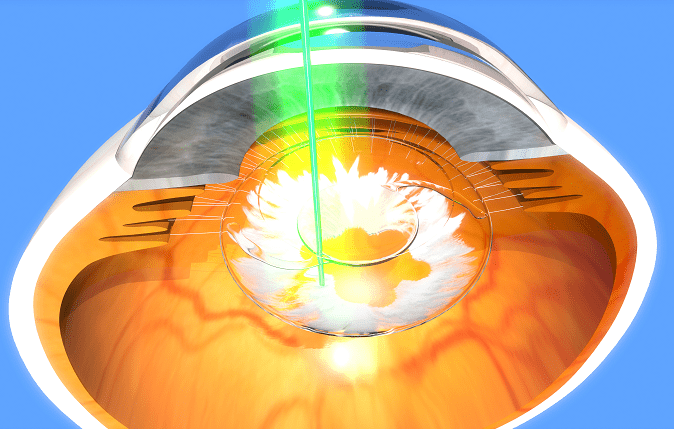
YAG laser capsulotomy is an important medical procedure in the field of ophthalmology. The treatment is performed using a YAG laser and is used mainly to open an opacification of the posterior capsule of the lens, which sometimes develops after cataract surgery. The main goal of the treatment is to improve the patient’s vision by removing the obstruction created by the opacification, which can cause blurred vision and reduced visual acuity. The YAG laser works by creating small, precise openings in the posterior capsule, allowing light to pass smoothly through the eye and restoring normal vision.
Introduction to YAG Laser Capsulotomy
YAG laser capsulotomy is one of the most common procedures performed after cataract surgery. Following implantation of the intraocular lens during cataract surgery, some patients may develop an opacification of the eye’s posterior capsule, known as a “secondary cataract.” This opacification can occur months to years after the original surgery, and it causes a decline in the quality of vision. YAG laser capsulotomy is an effective and rapid solution to this problem, performed in the clinic within just a few minutes, with immediate results in most cases. This article will explain the mechanism of the YAG laser, the indications for treatment, the necessary preparations, and the steps involved in performing the procedure, as well as the possible side effects and the patient’s recovery after treatment.
History and Development of YAG Laser Capsulotomy
YAG laser capsulotomy was developed as a solution to problems that appeared after cataract surgery. In the past, when patients suffered from posterior capsule opacification after cataract surgery, an additional operation was needed to remove the opacification and improve vision. With the development of laser technology in the 1980s, the procedure became simpler and faster. The YAG (Yttrium-Aluminum-Garnet) laser was one of the first lasers to enter widespread medical use in ophthalmology. It makes it possible to perform precise incisions without any physical contact with the eye, which reduces the risk of infections and other complications. From then until today, YAG laser capsulotomy has been refined and has become a safe and effective procedure performed around the world.
How YAG Laser Capsulotomy Works
YAG laser capsulotomy works by producing short, powerful laser pulses at the YAG frequency. When these pulses are directed at the posterior capsule of the eye, they create small, precise openings in the opacification that has formed. The process is usually performed under local anesthetic drops to ensure that the patient feels no pain or discomfort. During the treatment, the doctor uses the laser device to aim the beam precisely at the posterior capsule through the pupil. The beam gently “cuts” the opacified tissue, allowing light to pass smoothly to the retina and improving vision immediately. A significant advantage of YAG laser capsulotomy is its high precision, which allows the doctor to treat the problem without damaging the surrounding healthy eye tissues.
Indications for YAG Laser Capsulotomy
YAG laser capsulotomy is intended to treat opacification of the eye’s posterior capsule, a condition also known as secondary cataract. The main indications for performing the procedure include:
-
Decline in visual quality: Patients reporting blurred vision or reduced visual acuity after cataract surgery are suitable candidates for YAG laser treatment.
-
Posterior capsule opacification: When clear opacification of the posterior capsule is visible on a routine eye examination.
-
Difficulty with daily activities: When the opacification interferes with everyday activities such as reading, driving, or watching television.
-
Light sensitivity: Patients who experience increased sensitivity to light or glare as a result of the opacification can benefit from the treatment.
Preparing for YAG Laser Capsulotomy
Preparation for YAG laser capsulotomy involves several important steps to ensure that the procedure is performed safely and effectively:
-
Medical examination: Before the treatment, the doctor will perform a comprehensive eye examination to confirm that the patient is suitable for the procedure and to determine the location of the opacification in the posterior capsule.
-
Patient briefing: The doctor will explain the course of the treatment, expected results, risks, and possible side effects. It is important that the patient understands the process and has all their questions answered.
-
Local anesthesia: To ensure that the patient feels no pain or discomfort during the treatment, local anesthetic drops may be administered to the eye.
-
Arranging accompaniment: After the treatment, vision may be blurred for a short time, so it is advisable to arrange for someone to help you get home.
-
Post-treatment follow-up: After the treatment, the doctor will schedule a follow-up appointment to make sure recovery is proceeding properly and that there are no complications.
Steps in Performing YAG Laser Capsulotomy
The steps in performing YAG laser capsulotomy are relatively simple and are usually carried out in the clinic under local anesthetic drops. Here is a brief description of the stages of the process:
-
Patient preparation: The patient sits comfortably in front of the laser device, and their eyes are treated with local anesthetic drops.
-
Positioning and setup: The doctor makes sure the patient is seated comfortably and that the eye is stabilized. A special lens may be placed on the eye to help the doctor aim the laser precisely.
-
Laser adjustment: The doctor aims the laser device at the posterior capsule of the eye and verifies that the beam is precisely positioned.
-
Creating the opening: The doctor activates the laser and creates small, precise openings in the posterior capsule to remove the opacification. The process takes only a few minutes.
-
Completion: After the procedure is complete, the doctor removes the special lens (if one was placed) and examines the eye to make sure everything is in order.
Risks and Side Effects of YAG Laser Capsulotomy
Like any medical procedure, YAG laser capsulotomy carries certain risks and possible side effects. Although the risks are relatively rare, it is important to be aware of them:
-
Increased intraocular pressure: After the treatment, there may be a temporary rise in intraocular pressure, which is why some ophthalmologists administer a pressure-lowering drop before and/or after the treatment.
-
Inflammation and infection: As with any eye treatment, there is a small risk of developing inflammation or infection, although this is rare.
-
Retinal damage: In rare cases, the laser can cause damage to the retina, such as retinal detachment or retinal holes.
-
Blurred vision: After the treatment, vision may be blurred for a short time, but it usually improves within hours or a few days.
-
Discomfort: Some patients may feel discomfort or itching in the eye after the procedure, but this usually passes quickly.
-
Damage to the lens: In rare cases, the laser can damage the implanted intraocular lens, which may require additional treatment.
To minimize the risks, it is important to follow the doctor’s instructions before and after the treatment and to complete all the required examinations.
Recovery After YAG Laser Capsulotomy
Recovery after YAG laser capsulotomy is usually quick and smooth, but it is important to follow the doctor’s instructions to ensure a successful recovery. Here are some key points in the recovery process:
-
Blurred vision: Immediately after the treatment, vision may be blurred for several hours, but it should gradually improve.
-
Eye drops: The doctor may recommend using steroid eye drops to prevent inflammation and assist healing.
-
Follow-up examinations: It is important to attend the follow-up examinations scheduled by the doctor to make sure the eye is recovering properly and that there are no complications.
Results and Success of YAG Laser Capsulotomy
YAG laser capsulotomy is considered one of the most effective and safest procedures for treating secondary cataract. Here are some of the results and successes that can be expected from the treatment:
-
Immediate improvement in vision: In most cases, patients experience a significant improvement in visual acuity and quality immediately after the procedure.
-
High success rate: The treatment is considered highly successful, with success rates of over 95% among patients who suffered from posterior capsule opacification.
-
Improved quality of life: Following the improvement in vision, patients can return to normal daily activities and enjoy a better quality of life.
-
Low risk of complications: Although there are possible risks, most patients do not experience serious complications after the treatment.
-
Long-lasting results: In most cases, YAG laser capsulotomy provides long-term results, and no further treatments are needed.
In summary, YAG laser capsulotomy is a successful and safe treatment that provides fast, effective results for patients suffering from secondary cataract.
Research and Publications on YAG Laser Capsulotomy
YAG laser capsulotomy has been the subject of extensive research since its development, and a large number of scientific papers have been published in this field. The studies point to the procedure’s high effectiveness and safety. Some of the topics that have been researched include:
-
Treatment effectiveness: Many studies have shown that YAG laser capsulotomy significantly improves visual acuity and quality of life for patients suffering from secondary cataract.
-
Potential complications: Studies have focused on identifying the possible risks and side effects of the procedure, such as increased intraocular pressure, retinal detachment, and inflammation.
-
Long-term effects: Studies follow patients over time to examine the effects and effectiveness of the procedure over the years.
Innovations and Updates in the Field of YAG Laser Capsulotomy
The field of YAG laser capsulotomy is constantly evolving, with technological innovations and improvements in treatment procedures. Here are some of the latest updates and innovations in the field:
-
New laser technologies: Technological developments in lasers enable more precise, faster, and safer procedures.
-
Personalized treatment: Innovations in technology make it possible to tailor the procedure to each patient’s unique needs, which improves results and reduces risks.
-
Innovations in follow-up: Technological developments enable more precise and efficient monitoring of patients after the procedure, ensuring better care and early identification of possible complications.
In summary, the field of YAG laser capsulotomy continues to develop and improve, with technological innovations and advanced research that promise safer and more effective treatment for patients.
Summary and Conclusions on YAG Laser Capsulotomy
YAG laser capsulotomy is an effective and safe medical procedure designed to treat opacification of the eye’s posterior capsule, a condition also known as secondary cataract. The procedure improves patients’ quality of vision immediately and enhances their quality of life by restoring the clear vision that was compromised after cataract surgery. Historically, the procedure has undergone many technological improvements since its development in the 1980s and has become the gold standard in the treatment of secondary cataract. The laser procedure itself is simple, short, and safe, with high success rates and few risks and side effects. Rapid recovery and a quick return to daily activities are among the key advantages of YAG laser capsulotomy, and many studies support the method’s effectiveness and safety. In addition, continuous technological development in the field brings innovations and improvements to the procedure, which promises even better results in the future. In conclusion, YAG laser capsulotomy is an essential and effective treatment that is widely used around the world for treating secondary cataract. It is an easy, safe, and effective procedure that improves patients’ vision and quality of life. Through continued research and technological development, further improvements can be expected in the future that will help ensure better care and even more successful outcomes for patients.