Dry Eyes: What Is It and How Does It Affect Your Vision?
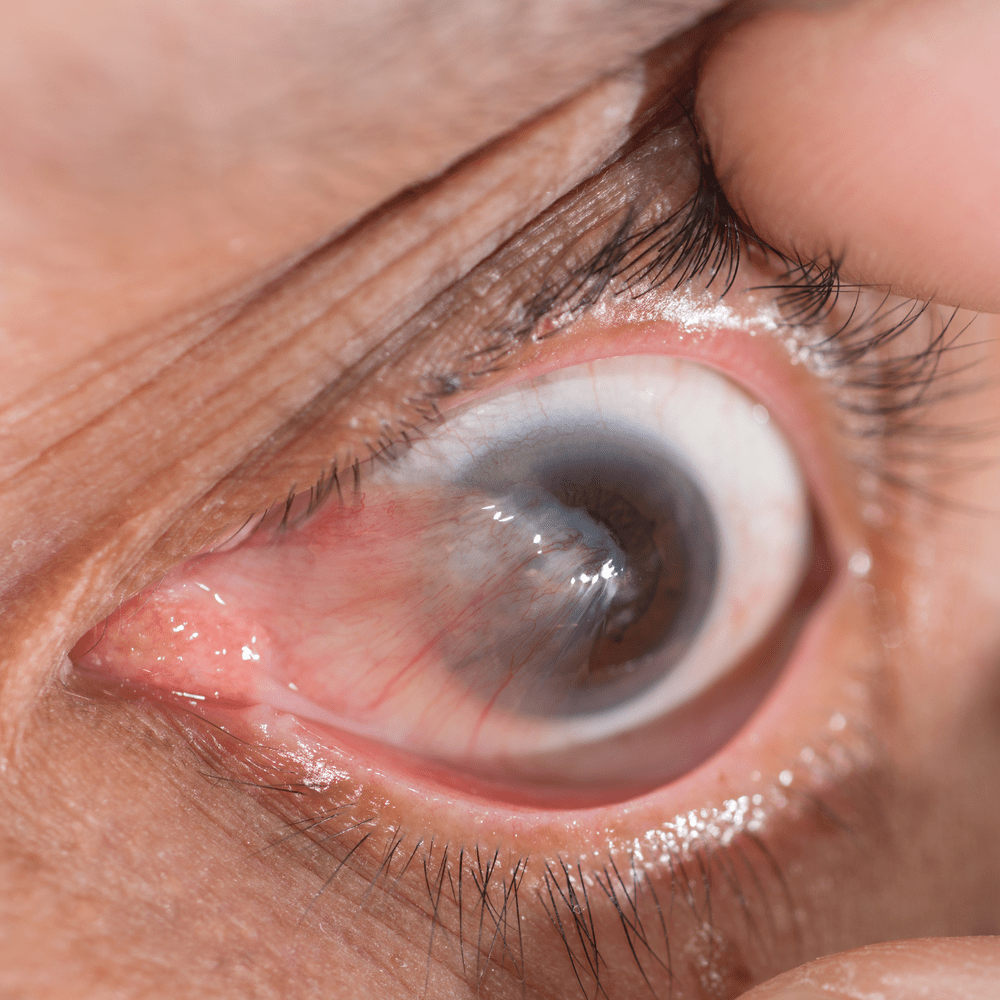
Dry eyes, also known as dry eye syndrome, is a condition in which the eye does not produce enough tears, or the tears are not of sufficient quality to keep the surface of the eye moist and protected. Our tears are not just water; they also include an oil layer and a mucus layer, both of which are essential for maintaining eye health. When there is a shortage of tears, or when they evaporate too quickly, the surface of the eye becomes exposed and damaged, which can cause various symptoms and affect vision.
Dry eyes can affect vision in different ways. In mild cases, you may experience slight discomfort or temporary blurring of vision, mainly after prolonged computer use or reading. In more severe cases, dry eyes can cause permanent damage to the cornea and visual distortions. It is important to note that dry eyes affect not only physical comfort but also the ability to concentrate and everyday performance.
Dry eyes
Symptoms of Dry Eyes: How to Recognize and Treat Them in Time
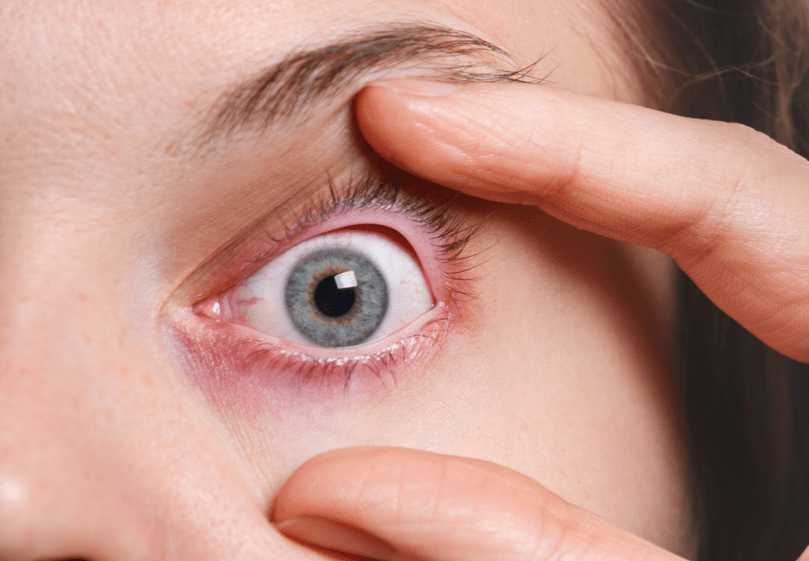
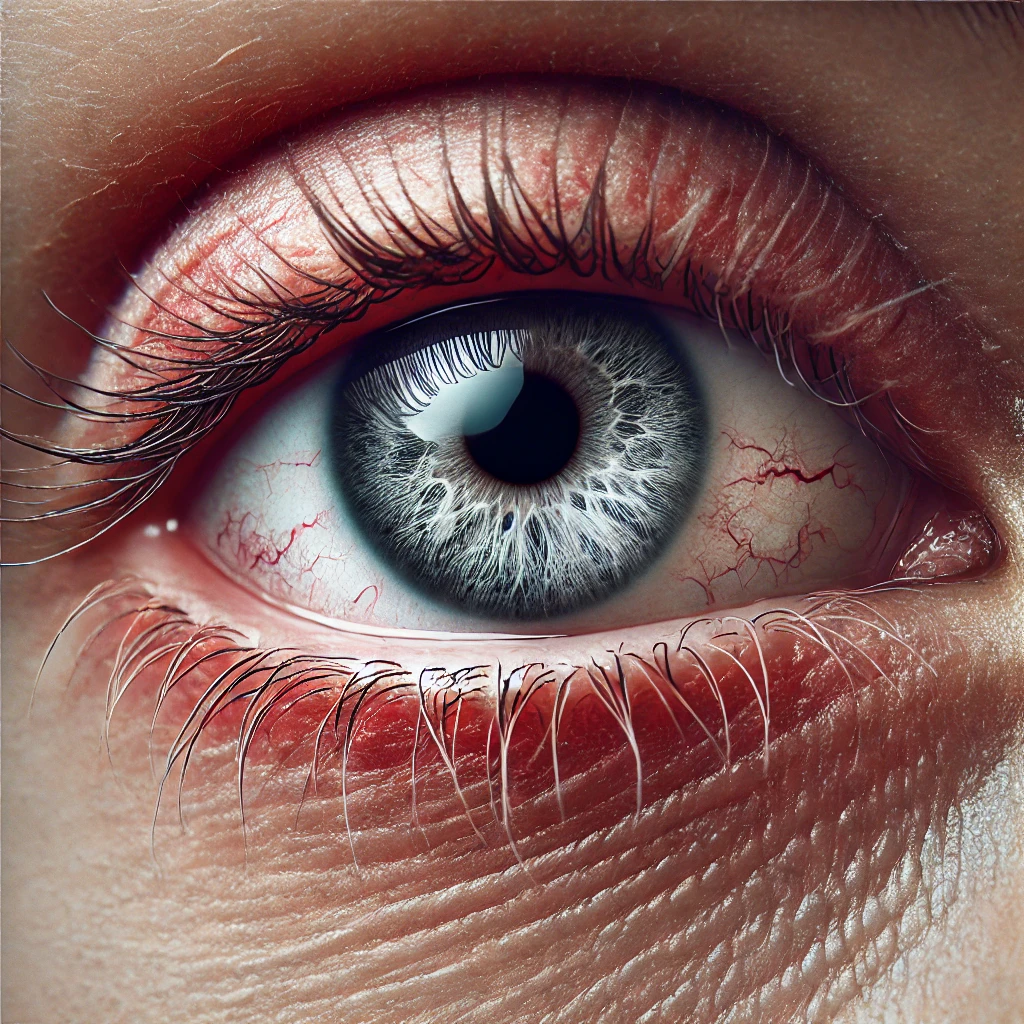
The symptoms of dry eyes can be varied and differ from person to person. Common symptoms include a burning sensation, itching, redness, a gritty feeling as if there were sand in the eye, blurred vision, and difficulty wearing contact lenses. At times, despite the dryness, people may experience excessive tearing — a phenomenon caused by over-irritation of the eye as it tries to compensate for the lack of moisture.
Early recognition of these symptoms is very important, since early treatment can prevent the condition from worsening. If you feel that these symptoms apply to you, it is advisable to see an ophthalmologist for an accurate diagnosis and appropriate treatment. Treatment for dry eyes includes a range of options, depending on the severity of the condition. In mild cases, artificial tear drops can relieve the symptoms. In more complex cases, more advanced treatments may be needed, such as medication, laser treatments, or nutritional supplements to improve tear quality.
Causes of Dry Eyes: The Common Culprits and How to Prevent Them
Dry eyes can be caused by a wide range of factors, with the main causes including hormonal changes, aging, prolonged use of digital devices, dry environmental conditions, and certain medical treatments. For example, menopause in women can cause hormonal changes that affect tear production, while prolonged use of computers and screens can slow the blink rate, which leads to drying of the eyes.
Environmental conditions such as exposure to dry weather, wind, or air-conditioned air can worsen the condition. In addition, the use of medications such as antihistamines, drugs for high blood pressure, or antidepressants may lead to dry eyes as a side effect. Chronic diseases such as rheumatoid arthritis or Sjögren’s syndrome can also be contributing factors.
To prevent dry eyes, it is important to avoid excessive exposure to these factors and to take care of your eye health. Recommendations for prevention include short breaks during prolonged computer work, using humidifiers in enclosed spaces, and wearing sunglasses to protect the eyes from dry winds. In addition, a diet rich in omega-3 can help improve tear quality and prevent dry eyes.
Dry Eyes in Children: What to Watch Out For
Dry eyes in children are relatively rare, but they can occur as a result of a variety of factors, including prolonged use of computers and tablets, dry environmental conditions, or chronic illnesses. Children who spend a lot of time in front of screens tend to blink less, which leads to a decrease in the eyes’ natural moisture. Conditions such as spending long periods in air-conditioned spaces or prolonged sun exposure without protection can also contribute to dry eyes in children.
It is important for parents to be aware of the signs of dry eyes in their children, such as itching, redness, a burning sensation, or complaints of blurred vision. If a child complains of these symptoms, it is important to see an ophthalmologist for an examination and early diagnosis.
In addition, it is important to take preventive steps, such as limiting screen time, making sure sunglasses are worn outdoors, and maintaining a healthy, balanced diet rich in essential nutrients such as omega-3. Using artificial tear drops as directed by the doctor may relieve the symptoms and prevent worsening.
Diagnosing Dry Eyes: Which Medical Tests Are Needed
Diagnosing dry eyes requires a combination of clinical assessment and special tests designed to evaluate tear production and the condition of the eye’s surface. At the beginning of the process, the ophthalmologist will take a comprehensive history to understand the patient’s symptoms and medical background, including the medications they take and the environmental conditions they are exposed to.
The first test usually performed is the Schirmer test, which measures the amount of tears the eye produces over several minutes. This test is performed by placing paper strips at the edge of the lower eyelid. The second test, the tear break-up time (TBUT) test, examines the stability of the tear film on the surface of the eye. In this case, special dye-containing drops are placed in the eye, and the doctor monitors the time it takes for the tear film to dry and break up.
In addition to these tests, the doctor may perform a microscopic examination to inspect the surface of the eye and identify damage or irregularities caused by dryness. Further tests can also be performed, such as tear osmolarity testing, which measures the salt concentration in the tears and indicates the degree of dryness.
Treatments for Dry Eyes: Recommended Solutions for Improving Comfort
Dry eyes treatments
There are several treatment options for dry eyes, chosen according to the severity of the condition and the factors that led to it. In mild cases, using artificial tear drops, also known as artificial tears, may be enough to relieve the symptoms and restore moisture to the eye. These drops are available without a prescription and can be used several times a day, as needed.
In more complex cases, more advanced treatments may be required. One of these is an eye gel, intended for use at night, which provides long-lasting moisture. In certain cases, the doctor may recommend steroid-containing drops to treat the inflammation that accompanies dry eyes, or drops containing cyclosporine, which increase tear production and reduce inflammation.
In addition to topical treatments, devices designed to treat dry eyes can be used, such as punctal plugs, which are intended to keep the tears in the eye for longer. Other devices, such as heat or light-based devices, help improve tear flow and increase eye moisture.
In summary, it is important to remember that treating dry eyes requires a personalized approach, and in some cases several treatment methods may need to be combined to achieve the best results. Regular follow-up with your ophthalmologist is important to ensure that the treatment meets your needs and improves your comfort and quality of life.
Natural Treatment for Dry Eyes: Natural Options for Relieving Dryness Symptoms
Natural treatment for dry eyes has become popular in recent years, as people look for alternatives to commercial medications or medical treatments. There are several natural methods that can relieve dry eye symptoms and improve day-to-day comfort.
One of the most common natural treatments is the use of warm compresses. Gentle warming of the eyelids can help release the oil trapped inside the meibomian glands, improve tear quality, and relieve dryness. A warm compress can be used for 5-10 minutes a day, followed by a gentle massage of the eyelids.
Natural oils such as castor oil, coconut oil, and olive oil are known for their soothing and moisturizing properties, and a small amount can be applied to the eyelids at night before sleep. The oils provide moisture to the eyes during the night and help reduce irritation and dryness in the morning.
A diet rich in omega-3 fatty acids has also been found to be helpful in reducing dry eye symptoms. Consuming foods such as fatty fish (salmon, mackerel), nuts, and seeds can help improve tear quality. If your diet is not sufficient, you can consider nutritional supplements containing omega-3.
Avoiding exposure to strong wind, smoking, and prolonged use of digital devices can also relieve dry eye symptoms. Simple eye-relaxation exercises during the day, such as closing your eyes for a few seconds every few hours, can help reduce strain on the eyes.
Dry Eyes and Computer Use: How to Ease the Digital Strain
Dry eyes signs
Nowadays, many of us spend long hours in front of computer, tablet, and smartphone screens, which can lead to dry eyes and visual fatigue. Prolonged computer use reduces blink frequency, which leads to increased tear evaporation and worsening dryness.
To ease the digital strain and reduce the risk of dry eyes, it is recommended to adopt the 20-20-20 rule: every 20 minutes, look at an object 20 feet away (about 6 meters) for 20 seconds. This rule helps relax the eyes and prevent overstrain.
In addition, you can adjust your work environment to make things easier on your eyes. Matching the screen’s brightness and contrast to the room’s lighting level, using high-quality screens that reduce glare, and preventing reflections may help reduce feelings of fatigue and dryness.
Using artificial tear drops while working at the computer can help keep the eyes moist throughout the day. It is also important to maintain an appropriate distance from the screen — at least 50-70 cm — and to make sure the screen is at eye level or slightly lower.
Finally, maintaining a healthy diet, drinking enough water, and incorporating physical activity into your day can contribute to eye health and reduce the risk of computer-related dry eyes.
The Impact of Dry Eyes on Quality of Life: Coping with Dryness Day to Day
Dry eyes are not just a physical nuisance; they can significantly affect quality of life. People who suffer from dry eyes may experience constant discomfort, a gritty sensation in the eyes, burning, and blurred vision. These symptoms can interfere with everyday activities such as reading, working at a computer, driving — especially at night — and even watching television.
Coping with dry eyes on a daily basis requires a combination of good habits, appropriate treatments, and adjustments to your everyday environment. It is important to use artificial tear drops or moisturizing gels regularly to keep the eyes moist throughout the day. In cases of chronic dryness, more advanced treatments such as punctal plugs or special drops are recommended, in consultation with your ophthalmologist.
In addition, it is important to maintain a comfortable work environment. Take regular breaks when working at a computer and avoid direct exposure to air conditioners or wind. Adjusting the lighting in your environment and working at the correct distance from the screen can help reduce strain on the eyes.
In more severe situations, dry eyes can affect mood, cause persistent fatigue, and limit the ability to perform simple tasks. It is therefore important to pay attention to the overall impact of dryness on quality of life and to see an ophthalmologist for advice and appropriate treatment.
Frequently Asked Questions About Dry Eyes: Everything You Wanted to Know but Didn’t Dare Ask
Dry eyes are a common condition that raises quite a few questions. Here we answer some of the most common questions that concern people suffering from dry eyes.
What are the main causes of dry eyes? The causes can be many and varied, from natural aging, through hormonal changes, to exposure to a dry environment or prolonged computer use. Medical conditions such as Sjögren’s syndrome or the use of certain medications can also cause dry eyes.
Can dry eyes be cured? There is no complete “cure” for dry eyes, but it is certainly possible to relieve the symptoms and improve quality of life with appropriate treatments and lifestyle changes. Treatment is usually tailored to the severity of the condition and its causes.
Can using artificial tear drops harm the eyes? In general, using artificial tear drops is safe and not harmful. However, it is important to choose drops suited to your condition and to consult a doctor if prolonged or frequent use is needed.
What should I do if I work at a computer for many hours a day? If you work at a computer for extended periods, it is important to take regular breaks (20-20-20), use artificial tear drops to keep your eyes moist, and adjust the screen height and room lighting to ease the strain on your eyes.
Can dry eyes get worse if left untreated? Yes, without appropriate treatment, dry eyes can worsen and lead to significant damage to the cornea and the eyes. It is important to see an ophthalmologist for early diagnosis and appropriate treatment to prevent future complications.
Are there foods that can help with dry eyes? Yes, a diet rich in omega-3 fatty acids, found in fatty fish, nuts, and seeds, can help improve tear quality and reduce dryness symptoms. It is recommended to incorporate these foods into your daily diet.
What is the difference between allergic dry eyes and chronic dry eyes? Allergic dry eyes are caused by an allergic reaction and tend to be temporary, related to the season or to exposure to allergens. Chronic dry eyes are an ongoing condition, caused by decreased tear production or rapid tear evaporation, and require regular treatment.
These questions and the information provided here are intended to help you better understand dry eyes and guide you regarding the steps you should take to relieve the symptoms and improve your quality of life.