Eye Diseases: What Are the Common Causes?
Eye diseases
Eye diseases result from a wide variety of factors, some of which are controllable and some of which are beyond a person’s control. One of the central factors is genetics, which significantly influences the risk of developing certain diseases such as glaucoma, keratoconus, and retinal diseases. In many cases, people with a family history of eye disease may find themselves facing an increased risk of similar problems. In addition, exposure to strong UV radiation without appropriate sunglasses can cause cumulative damage to the eye’s lens and to the retina, raising the risk of developing cataract and other degenerative diseases.
Modern lifestyle habits play a critical role in the development of eye diseases. For example, long hours in front of digital screens — whether computers, phones, or televisions — lead to eye fatigue, chronic dryness, and computer vision syndrome. Improper use of contact lenses, such as failing to clean them properly or sleeping in them, can cause serious bacterial infections and even irreversible damage to the cornea. Additional environmental risk factors include smoking, which is known to harm the blood vessels of the eye and increase the risk of macular degeneration, and air pollution, which can cause irritation and chronic inflammation.
Systemic diseases, such as diabetes and high blood pressure, also contribute to serious eye diseases. Diabetes, for example, can lead to diabetic retinopathy, in which the blood vessels of the eye are damaged, resulting in impaired vision and sometimes even blindness. Poor nutrition, lacking in antioxidants and essential vitamins such as vitamins A, C, and E, also adversely affects eye health. All of these factors underscore the need for awareness, changes in habits, and routine eye examinations in order to prevent the development of serious eye diseases.
Early Symptoms of Eye Disease to Watch For
Many eye diseases begin with subtle early symptoms that can often escape the patient’s notice or be dismissed as insignificant. Yet early recognition of these signs is critical for preventing deterioration and for effective treatment. Blurred vision, for example, is one of the most common symptoms, and it can be associated with a broad range of medical conditions, from cataract to diabetic retinopathy. Many people ignore a gradual decline in visual acuity, but this decline can be a sign of a serious problem requiring early diagnosis and prompt treatment.
Eye pain, especially when accompanied by redness or light sensitivity, is a significant warning sign. This may indicate inflammation, acute glaucoma, or even a serious corneal infection which, without appropriate treatment, can cause irreversible damage. Dry eyes, a gritty sensation, or chronic irritation are common signs of dry eye syndrome or of meibomian gland dysfunction, and are often related to prolonged use of digital devices or exposure to a dry climate.
Sudden changes in vision, such as the appearance of floating black spots (floaters), flashes of light, or the sensation of a curtain covering part of your vision, can indicate retinal detachment — a medical emergency requiring immediate treatment to prevent permanent vision loss. Changes in the structure or color of the eye, such as persistent redness, swelling, or yellowing of the white of the eye, may point to inflammation, liver disease, or other serious problems.
Awareness of these symptoms and routine eye examinations are the best way to protect your vision and maintain eye health. Any sudden or unusual change warrants immediate medical advice, since early diagnosis and appropriate treatment can make the difference between preserving vision and losing it.
Early Diagnosis: The Key to Successful Treatment of Eye Diseases
Early diagnosis is the cornerstone of effective and successful treatment of eye diseases. Many eye diseases develop gradually, and without routine examinations they may worsen before the patient notices any clear signs. Glaucoma, for example, is often called “the silent thief of sight” because it develops without pain or noticeable symptoms, yet causes significant and irreversible damage to the optic nerve. Early diagnosis makes it possible to identify the disease in its initial stages, before vision is irreversibly harmed.
Diagnostic tools have improved significantly in recent years, allowing ophthalmologists to detect diseases using advanced technologies such as retinal imaging, OCT scans, and intraocular pressure measurements. These tools provide a clear and accurate picture of the eye’s condition and allow the physician to assess risks and take preventive or therapeutic steps accordingly.
Beyond the importance of the diagnosis itself, public awareness of the importance of routine examinations is paramount. Patients with chronic conditions such as diabetes or high blood pressure are at increased risk of eye disease and should undergo regular eye examinations. Even apparently healthy people, especially those over the age of 40, can benefit from periodic eye examinations, since diseases such as cataract or macular degeneration can appear with age.
Finally, early diagnosis not only enables effective treatment but also reduces the financial and emotional costs associated with treating disease at an advanced stage. Prevention and early treatment are the most important tools for maintaining healthy vision and a high quality of life over time.
Ways to Prevent Common Eye Diseases
Ways to prevent common eye diseases
Prevention is the first and most significant step in maintaining eye health and reducing the risk of eye disease. One of the central tools of prevention is adopting a healthy lifestyle that includes a balanced diet, physical activity, and maintaining a healthy weight. A diet rich in leafy greens, fruit, fish, and healthy oils provides the eyes with the vitamins and antioxidants essential to their health, such as vitamins A, C, and E.
Protecting the eyes from UV radiation is critical for preventing damage such as cataract and macular degeneration. Sunglasses with full UV protection provide an important protective layer for the eyes, especially in areas with high sun exposure.
Proper contact lens use is another key factor. Washing your hands before inserting lenses, daily cleaning, and keeping lenses fresh are essential practices for preventing bacterial or fungal infections that can cause serious damage to the cornea.
Regular breaks during prolonged use of digital devices can prevent eye fatigue and dry eye syndrome. The 20-20-20 rule recommends looking at something 20 feet away for 20 seconds every 20 minutes. In addition, using preservative-free lubricating eye drops can ease dryness and reduce the risk of irritation.
Effective prevention also includes quitting smoking, which is known to be a significant risk factor for macular degeneration and other harms to eye health. Routine eye examinations are likewise an integral part of prevention, since they allow problems to be identified at an early stage and treated in time.
Protecting your eyes begins with awareness. Simple day-to-day preventive steps can make the difference between healthy vision and irreversible damage, so it is advisable to adopt healthy habits and visit your eye doctor regularly.
How Does Genetic Inheritance Influence Eye Diseases?
Genetics plays a central role in the development of many eye diseases, and it is often the key to understanding both the cause of and the solution to these conditions. Heredity influences the structure of the eye, its function, and the risk of developing certain diseases. For example, glaucoma, a common and dangerous eye disease, may be linked to specific genes involved in regulating intraocular pressure. People with a family history of glaucoma are at higher risk of developing the disease at an earlier age, and sometimes in a more severe form.
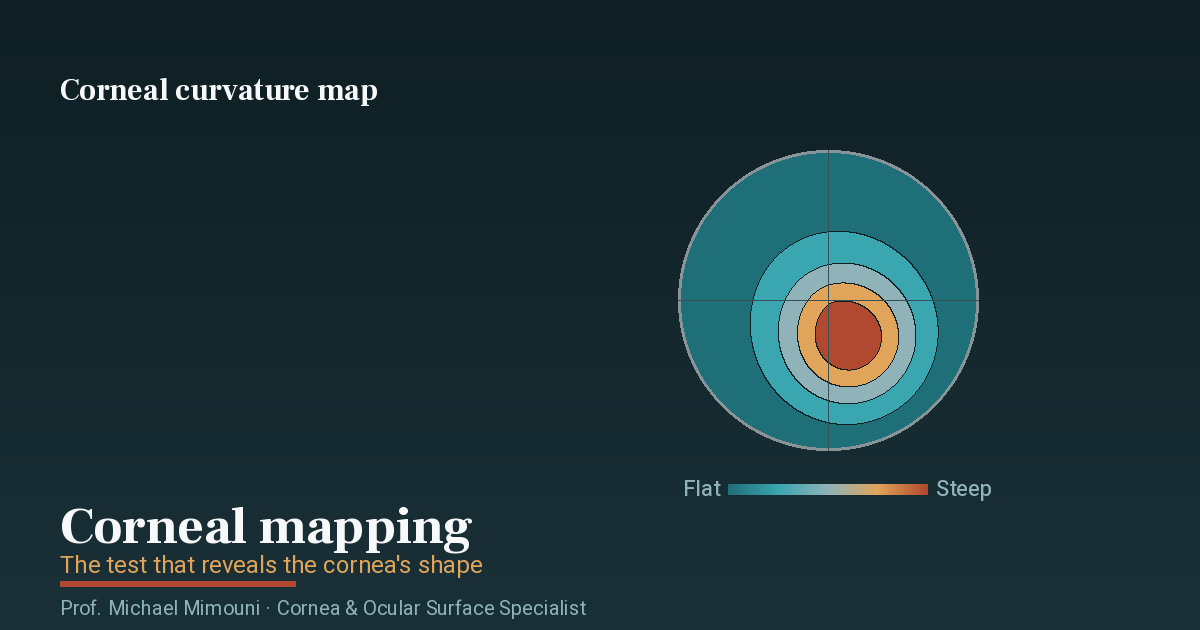
Keratoconus, a disease that affects the structure of the cornea, is also considered to have a clear genetic component. In many cases, the disease appears among close family members, especially where there is a background of atopic conditions such as allergies or asthma. Genetic research in this field is attempting to identify the genes involved in the disease process, in the hope of producing more effective and targeted treatments.
In addition, hereditary retinal diseases, such as retinitis pigmentosa or hereditary macular degeneration, are caused by genetic mutations. While these diseases are rarer, they can lead to blindness if left untreated. Today, thanks to advances in genetic medicine, it is possible to identify specific genes associated with these diseases and even to develop gene therapies aimed at slowing disease progression or restoring retinal function.
Genetic knowledge also shapes approaches to prevention and treatment. Patients with a family history of eye disease should undergo early and routine eye examinations to identify the first signs of disease. These insights allow physicians to provide personalized counseling and recommend steps to prevent disease development, such as lifestyle changes or pre-emptive treatments.
Eye Infections: Causes, Types, and Treatments
Eye infections can be caused by a wide variety of agents, including bacteria, viruses, fungi, and parasites, and they pose a significant threat to eye health and vision. These infections may arise from exposure to environmental contaminants, improper contact lens use, or eye injuries. Some infections are mild and resolve on their own, but others can be severe and cause permanent damage if not treated in time.
Conjunctivitis, also known as “pink eye,” is one of the most common eye infections. It is usually caused by viruses or bacteria and is characterized by redness, discharge, and irritation. While viral conjunctivitis typically resolves without treatment, a bacterial infection requires antibiotic eye drops.
More serious bacterial infections, such as keratitis (inflammation of the cornea), can result from prolonged contact lens wear or exposure to contaminants in water. This infection requires immediate treatment, as it can cause corneal scarring and impair vision. In certain cases, such as fungal infections, treatment may be more prolonged and requires antifungal medications.
Ocular herpes, caused by the herpes simplex virus, is a recurrent infection that can damage the cornea and even cause vision loss in severe cases. Treatment includes antiviral medications, and sometimes steroids are needed under medical supervision to prevent complications. On its forms, treatment and preventing attacks, see herpetic eye disease.
Prevention is the key to dealing with eye infections. Frequent hand washing, avoiding rubbing the eyes, and proper contact lens hygiene are basic steps for protecting the eyes. If an infection is suspected, see an eye doctor immediately for diagnosis and early treatment, since delay can lead to deterioration and irreversible damage to the eye. The right treatment at the right time can preserve eye health and ensure a full recovery.
Chronic Eye Diseases and Their Impact on Quality of Life
Chronic eye diseases are ongoing medical conditions that cannot be fully cured and require careful treatment and management over time. These diseases affect not only vision but also the patients’ quality of life, which is shaped by the need to cope with daily limitations, pain or discomfort, and at times a sense of helplessness.
Glaucoma is one of the most prominent chronic eye diseases, characterized by elevated intraocular pressure that can damage the optic nerve and cause loss of peripheral vision. People living with glaucoma must use daily eye drops and sometimes undergo surgical treatments. The constant monitoring and the fear of disease progression can cause emotional stress and affect their way of life.
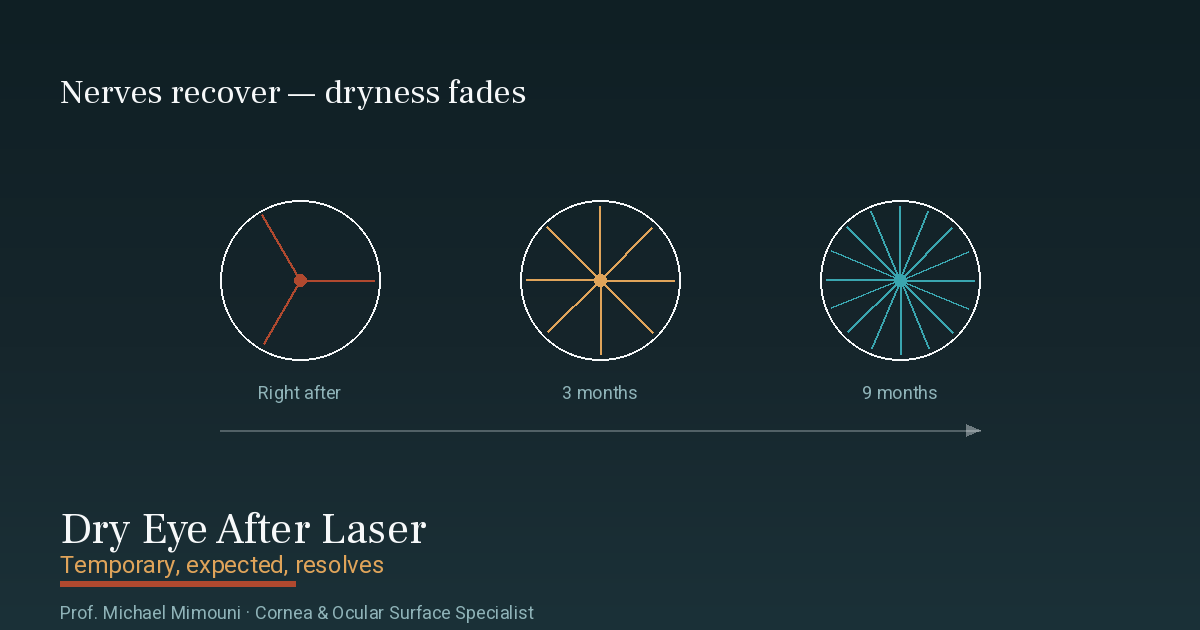
Dry eye syndrome is another chronic disease, accompanied by burning, dryness, irritation, and sometimes blurred vision. Symptoms intensify under certain conditions, such as prolonged computer use or exposure to a dry climate. The difficulty in performing everyday activities such as reading or driving affects patients’ functioning and limits their daily lives.
Chronic retinal diseases, such as age-related macular degeneration or diabetic retinopathy, impair visual acuity and the visual field. For people with these conditions, simple actions such as recognizing faces or reading can become challenging. Adapting to the new reality requires assistive technology, such as magnifiers or accessibility software, but it often also involves a sense of lost independence.
Beyond the physical effects, chronic eye diseases affect patients’ mental well-being. Fear of losing vision, a sense of social isolation, and frustration over dependence on others are only some of the emotional challenges that may accompany the disease. Family support, professional counseling, and proper disease management can ease the burden and improve quality of life.
Cataract: One of the Most Common Eye Diseases
Cataract is one of the most common eye diseases in the world, particularly among the older population. This disease is characterized by gradual clouding of the eye’s natural lens, leading to reduced visual acuity and persistent blurred vision. Cataract is considered one of the leading causes of treatable vision loss, and innovative treatments have made cataract surgery one of the most successful and safest operations in ophthalmology.
The causes of cataract development are many and varied. Age is the primary factor, since the lens tissue undergoes a natural aging process over the years. Prolonged exposure to UV radiation, smoking, chronic diseases such as diabetes, and the use of certain medications, such as steroids, may accelerate the process. Cataract can also occur as a result of eye trauma or as a congenital condition in infants.
The symptoms of cataract usually begin gradually, with declining visual acuity, difficulty seeing in low light, or increased glare from bright light. Patients describe the sensation of a “veil” interfering with their vision, and at times difficulty recognizing colors or details.
Cataract treatment centers on surgery to remove the cloudy lens and replace it with an artificial one, which improves vision and can even correct problems such as nearsightedness or farsightedness. The surgery is considered simple and quick, but for patients it can be life-changing, restoring the ability to see clearly and manage everyday tasks.
Although cataract is perceived as a natural age-related condition, early awareness and a healthy lifestyle can delay its onset. Wearing sunglasses, quitting smoking, and a diet rich in antioxidants help protect the health of the lens. Periodic eye examinations are also critical for early detection of cataract and prevention of further complications.
Glaucoma: The Silent Threat to Vision
Glaucoma is one of the most serious and common eye diseases, also known as “the silent threat to vision.” The disease is usually caused by elevated intraocular pressure, which causes progressive and irreversible damage to the optic nerve. What makes glaucoma unique is that it develops silently, without clear symptoms in its early stages, leading to gradual loss of peripheral vision that often goes unnoticed until advanced stages.
There are several types of glaucoma, the most common being open-angle glaucoma. In this type, intraocular pressure rises gradually due to problems with fluid drainage from the eye. In contrast, angle-closure glaucoma is a medical emergency that develops suddenly and is accompanied by severe pain, redness, reduced vision, and nausea.
Risk factors for developing glaucoma include advanced age, a family history of the disease, high blood pressure, diabetes, and prolonged steroid use. In addition, people of African, Asian, or Hispanic descent are at higher risk.
Glaucoma is diagnosed through comprehensive testing, including intraocular pressure measurement, optic nerve examination, and visual field testing. Early detection is the key to preventing vision loss, since damage to the optic nerve is irreversible.
Glaucoma treatment focuses primarily on lowering intraocular pressure to prevent further damage to the optic nerve. Treatments include pressure-lowering eye drops, laser procedures to improve fluid drainage, and in severe cases advanced surgery. Although there is currently no definitive cure for glaucoma, proper management of the disease allows patients to preserve their vision for many years.
Diabetic Retinopathy: Risks for Patients with Diabetes
Diabetic retinopathy is a serious ocular complication resulting from the effect of diabetes on the small blood vessels of the eye. It is one of the leading causes of vision loss among adults, and it develops when high blood sugar levels damage the walls of the retinal blood vessels, causing fluid leakage or the formation of new, fragile vessels.
The disease is divided into two main stages: non-proliferative retinopathy, in which the existing blood vessels weaken and leak fluid, and proliferative retinopathy, in which new, abnormal blood vessels form and can cause severe bleeding and even retinal detachment.
The risk of developing diabetic retinopathy increases the longer diabetes remains inadequately controlled. Additional risk factors include high blood pressure, high cholesterol, smoking, and pregnancy. Patients who do not keep up with medical follow-up and drug therapy are also at increased risk.
Diagnosis is made through a retinal examination, usually after pupil dilation, and sometimes with OCT imaging or fluorescein angiography, which allow the physician to see the condition of the retinal blood vessels.
Treatment depends on the severity of the disease. In the early stages, good control of blood sugar, blood pressure, and cholesterol can slow disease progression. In more advanced stages, treatments such as laser to seal leaking blood vessels, intraocular injections of drugs that prevent the growth of new vessels, or retinal surgery may be necessary.
Prevention is the most important step. Maintaining a healthy lifestyle, careful medical follow-up, and periodic eye examinations make it possible to prevent the disease or manage it in a way that avoids significant harm to patients’ vision and quality of life.
Dry Eyes: Causes and Symptoms Worth Knowing
Dry eyes causes and symptoms
Dry eyes are one of the most common problems of the visual system, affecting millions of people around the world. Dry eye syndrome occurs when the tears are unable to provide adequate moisture to the eyes. This condition can result from a number of factors, ranging from chronic diseases to environmental influences.
Physiological factors, such as the natural decline in tear production with age, are one of the main causes of dry eyes. Women are at higher risk due to hormonal changes during menopause or as a result of using oral contraceptives. Diseases such as Sjogren’s syndrome, diabetes, and other autoimmune conditions also affect tear production and quality.
Environmental factors, such as exposure to a dry climate, strong wind, or air-conditioned rooms, can cause increased tear evaporation. Modern lifestyle habits, including prolonged use of digital screens, raise the risk of dry eyes because they slow the blink rate, leading to drying of the ocular surface.
The symptoms of dry eyes include burning, irritation, itching, and a gritty sensation. In severe cases, patients may experience blurred vision or increased light sensitivity. Red eyes and a feeling of eye fatigue are also common signs.
Treatment of dry eyes focuses on relieving symptoms and maintaining ocular moisture. Treatments include preservative-free lubricating eye drops, humidifiers to keep the environment moist, and innovative preparations such as medications that stimulate tear production. In more severe cases, special treatments may be needed, such as blocking the tear ducts with tiny plugs (punctal plugs) or intensive treatments such as IPL to improve meibomian gland function.
The Impact of Screens on Eye Disease in the Modern World
In the era of modern technology, the increased use of digital screens has become an inseparable part of our daily lives. However, prolonged exposure to screens — computers, mobile phones, and tablets — has significantly affected eye health and contributed to a rise in the prevalence of vision problems and symptoms related to eye fatigue.
The central problem arising from prolonged screen use is computer vision syndrome, which includes symptoms such as dry eyes, blurred vision, headaches, and general fatigue. One of the main reasons for this is a significant reduction in blink rate, leading to drying of the eye.
The blue light emitted by screens adds to the problem, since it can strain the eyes and even affect sleep quality. Studies suggest that prolonged exposure to blue light may cause cumulative damage to the retina, especially among children and adolescents who use screens at night.
In addition, screens cause people to fix their gaze at a constant distance for long periods, which reduces the flexibility of the eye muscles and can lead to the development of nearsightedness. This phenomenon is particularly notable among young people, who spend many hours using smartphones and computers.
To minimize the effects of screens, it is advisable to adopt the 20-20-20 rule: after every 20 minutes of screen use, look at an object 20 feet away for 20 seconds. In addition, you can use lubricating eye drops and blue-light-filtering glasses, and make sure the distance between the screen and your eyes is about 50-70 cm.
In an era when screens are an inseparable part of our lives, protecting eye health through scheduled breaks, appropriate lighting, and proper work habits can prevent chronic eye problems and improve quality of vision over time.
The Most Innovative Treatments for Eye Diseases Today
The most innovative treatments for eye diseases
Ophthalmology has advanced significantly over the past decade, and thanks to innovative technologies and advanced treatments, patients can enjoy more accurate diagnosis and more effective treatment for a wide range of eye diseases. One of the leading technologies today is OCT imaging (Optical Coherence Tomography), which provides a detailed picture of the retina and enables precise diagnosis of conditions such as macular degeneration, diabetic retinopathy, and glaucoma.
In the field of treatment, intraocular injections of biological drugs have become a central solution for retinal diseases such as wet macular degeneration and diabetic retinopathy. These medications work by inhibiting the growth of new blood vessels and preventing fluid leakage in the retina, improving patients’ vision while preserving the structure of the retina.
Advanced laser technology is used today to treat diseases such as glaucoma and secondary cataract. SLT lasers (Selective Laser Trabeculoplasty) allow intraocular pressure to be lowered safely and non-invasively, while YAG lasers are used to clear lens capsule opacification after cataract surgery.
Another rapidly evolving field is the treatment of dry eye syndrome. IPL devices (Intense Pulsed Light) improve meibomian gland function, providing significant symptom relief for patients suffering from chronic dry eyes. At the same time, the development of advanced preservative-free eye drops and preparations that mimic the composition of natural tears is improving patients’ quality of life.
In the field of implants, new premium intraocular lenses implanted during cataract surgery offer combined correction of nearsightedness, farsightedness, and astigmatism, allowing patients to say goodbye to their glasses after surgery. In parallel, genetic research and the development of gene therapies for rare retinal diseases are opening the door to treating conditions once considered incurable.
These innovative treatments are only a sample of the capabilities of modern medicine, and they underscore the importance of routine follow-up and early access to treatment, which ensure the preservation of patients’ vision and quality of life.
When Should You See a Specialist for the Treatment of Eye Disease?
Consulting a specialist for the treatment of eye disease is essential in certain cases where the eyes or vision show signs of a developing problem. Whether it is a small change such as reduced visual acuity or more severe symptoms, it is important to understand when professional advice is needed in order to prevent future complications.
Sudden vision loss, the sensation of a curtain, or flashes of light in the visual field require an immediate visit to an eye doctor, since they may indicate serious conditions such as retinal detachment. In addition, sharp eye pain, especially when accompanied by redness, swelling, or light sensitivity, may point to acute glaucoma or severe inflammation requiring immediate treatment.
Chronic symptoms such as dry eyes, burning, irritation, or a gritty sensation that do not improve with self-care sometimes indicate more complex problems, such as dry eye syndrome or chronic blepharitis (eyelid inflammation). In cases of persistent blurred vision or difficulty with reading and near work, it is also advisable to see a specialist for comprehensive diagnostic testing.
Patients with chronic conditions such as diabetes, high blood pressure, or autoimmune diseases should maintain periodic eye follow-up, since these conditions increase the risk of eye diseases such as diabetic retinopathy and glaucoma. Likewise, people with a family history of eye disease, such as early cataract or macular degeneration, should begin medical follow-up earlier than usual.
In addition, any patient undergoing eye surgery or laser treatment should remain under specialist follow-up to ensure proper healing and prevent late complications. In cases of dissatisfaction with a treatment outcome, it is also advisable to seek a second opinion from a specialist eye doctor.
Ultimately, maintaining continuous contact with an eye doctor, even in the absence of prominent symptoms, is the key to preserving eye health and identifying problems early, enabling effective treatment and protecting your vision over time.