Maxitrol Ointment: What Is It and What Is It Used For?
Maxitrol ointment
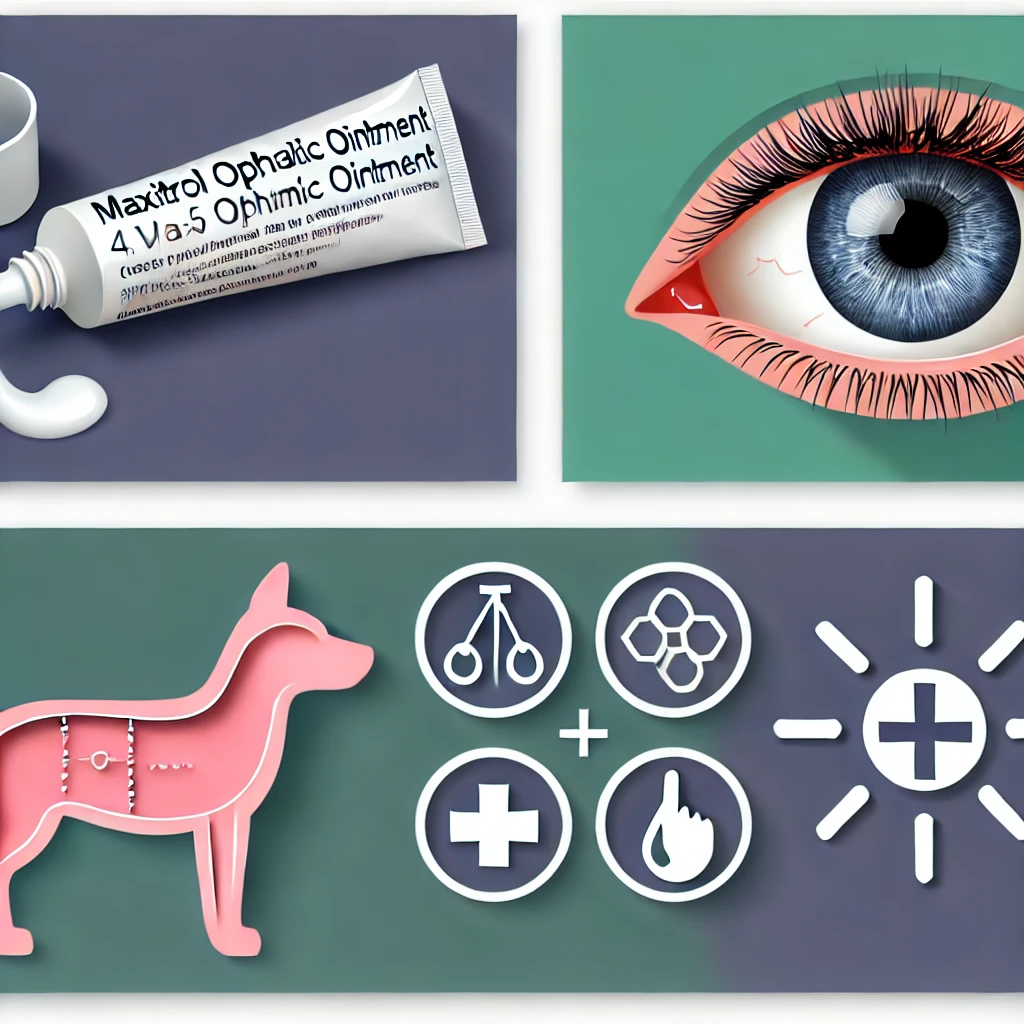
Maxitrol ointment is a medication used to treat eye inflammation and inflammation of the skin around the eyes. The ointment contains a combination of three active ingredients: a steroid called dexamethasone, which is an anti-inflammatory agent, and two antibiotics, neomycin and polymyxin B, both intended to fight bacterial infections. This unique combination of ingredients gives Maxitrol the ability to treat bacterial eye infections while reducing the local inflammatory response.
Before starting – or continuing – Maxitrol: this ointment contains a steroid, so it is given only on prescription and after an examination. In some conditions – for example viral (herpetic) or fungal keratitis, or an infection in a contact lens wearer – a steroid can make things worse, and prolonged use requires monitoring of eye pressure. A painful eye, light sensitivity, reduced vision, or no improvement within a few days are reasons to be examined rather than carry on alone. Arrange an examination with Prof. Michael Mimouni.
Maxitrol ointment is used to treat a variety of medical conditions, including conjunctivitis, keratitis, blepharitis, and other inflammations affecting the eye and its surrounding tissues. The ointment is for external use only and is used according to the doctor’s instructions in situations where a bacterial eye infection accompanied by inflammation is suspected or diagnosed.
How to Use Maxitrol Ointment Correctly
Maxitrol ointment
Correct use of Maxitrol ointment is important for achieving the best therapeutic results and preventing side effects. Here are some guidelines for using the ointment correctly:
Before using the ointment, make sure your hands are clean. Wash your hands with soap and water and dry them thoroughly to prevent additional contamination.
When using the ointment, make sure the cap does not come into contact with any surfaces, including your fingers, to avoid contaminating the product.
Open the cap and tilt your head slightly back. Using your fingers, gently pull the lower eyelid downward to create a small pocket between the eyelid and the eye.
Gently place a small amount of ointment (usually a strip of about half a centimeter) into the pocket formed between the eyelid and the eye. Avoid direct contact between the tube and the eye to prevent contamination.
After applying the ointment, close the eye gently for a few minutes to allow the ointment to spread well over the surface of the eye.
If Maxitrol ointment needs to be used in both eyes, repeat the process in the other eye.
When finished, screw the cap back on securely and store the ointment in a cool, dry place, out of the reach of children.
To ensure the treatment is effective, it is important to use Maxitrol ointment exactly as directed by your doctor. Do not stop the treatment midway, even if symptoms appear to be improving, unless explicitly instructed to do so by your doctor.
Side Effects of Maxitrol Ointment: What You Should Know
Like any medication, Maxitrol ointment can cause side effects, although not everyone experiences them. The most common side effects include a mild burning sensation or irritation in the eye when applying the ointment. These sensations are considered normal and usually resolve on their own after a short time.
More serious side effects may include the development of a fungal or viral infection in the eye, which can occur as a result of the steroid (dexamethasone) suppressing the local immune response. In addition, prolonged use of the ointment can lead to increased intraocular pressure (glaucoma) or the development of cataracts. For this reason, prolonged use of Maxitrol ointment must be under strict medical supervision.
It is important to report any unusual side effect or new symptoms that appear during treatment to your doctor. Likewise, do not use Maxitrol ointment if you are sensitive to any of its ingredients, or if you have a history of fungal or viral eye infections, without consulting your doctor.
Maxitrol Ointment Versus Other Treatments: Comparing the Options
Maxitrol ointment is a unique preparation because of its combination of a steroid and antibiotics, intended for treating bacterial eye infections accompanied by an inflammatory response. Compared with other treatments, Maxitrol offers a combined solution that addresses both the infection and the inflammation. This is in contrast to preparations containing only an antibiotic, which treat only the bacterial infection, or preparations containing only a steroid, which treat only the inflammation.
When comparing Maxitrol with other steroid treatments that do not contain an antibiotic, Maxitrol’s advantage is its ability to fight both the infection and the inflammatory response, which makes it a preferred choice in cases of bacterial eye inflammation. On the other hand, in cases where there is no bacterial infection, or where there is concern about steroid use, other treatments better suited to the patient’s specific medical condition may need to be considered.
When choosing the appropriate treatment, it is important to take into account the patient’s condition, the type of inflammation, and their medical history, so it is always advisable to consult an ophthalmologist to determine the optimal treatment.
Guidelines for Safe Use of Maxitrol Ointment
How to use Maxitrol ointment
To ensure safe and effective use of Maxitrol ointment, several key guidelines should be followed. First, use the ointment only as directed by your doctor, and never exceed the recommended dose or extend the treatment period without medical consultation. Prolonged or uncontrolled use of the ointment can cause serious side effects, such as glaucoma or cataracts.
When using the ointment, maintain proper hygiene: wash your hands thoroughly before and after use, and avoid direct contact between the tube and the eye or any other surfaces. This is important for preventing secondary infection.
In addition, do not use Maxitrol ointment while wearing contact lenses, as the ointment can be absorbed into the lens and cause irritation or infection in the eye. If you need to wear contact lenses, remove them before using the ointment and wait at least 15 minutes before putting them back in.
Store the ointment at room temperature, in a cool, dry place, and make sure the cap is closed tightly after each use. Avoid leaving the ointment in high temperatures or direct sunlight.
Maxitrol Ointment: When to See a Doctor
During treatment with Maxitrol ointment, there are situations in which it is important to see a doctor as soon as possible. If the condition of the eye worsens, or if new symptoms appear that were not present before, such as severe pain, sudden blurred vision, or decreased vision, seek medical attention immediately.
If symptoms of an allergic reaction appear during use of the ointment, such as a rash, itching, or swelling of the eyelids or around the eye, stop using the ointment and see a doctor for examination and advice.
Likewise, if no improvement is seen after a period of using the ointment, or if a persistent burning sensation or severe irritation develops in the eye, it is advisable to see a doctor for further evaluation.
In addition, see a doctor in cases of prolonged use of the ointment or if you have a complex medical history, such as previous eye surgery, elevated intraocular pressure, or other chronic eye diseases. In these cases, the doctor may recommend more frequent follow-up or adjustment of the treatment according to your medical condition.
Frequently Asked Questions About Maxitrol Ointment
Several common questions often arise when using Maxitrol ointment. One key question is whether the ointment can be used alongside other eye medications. In such cases, it is important to wait at least 5-10 minutes between applying Maxitrol ointment and using another eye preparation, to avoid dilution or interference with the action of each product.
Another common question concerns use of the ointment during pregnancy or breastfeeding. In general, it is recommended to consult a doctor before using Maxitrol ointment during these periods, since the steroid and antibiotics in the ointment may be absorbed into the body and affect the fetus or infant.
Many patients also ask whether Maxitrol ointment can be used long term. Because the ointment contains a steroid, prolonged use can lead to side effects such as glaucoma or cataracts, so it should be used only under medical supervision and for the minimum time required for treatment.
Some people also wonder whether Maxitrol ointment can be used to treat other skin problems. The answer is that the ointment should be used only for its intended purpose, which is treating inflammation and infections of the eye. Any other use may be inappropriate and even dangerous.
How to Store Maxitrol Ointment in Optimal Conditions
Maxitrol ointment optimal storage conditions
Storing Maxitrol ointment in optimal conditions is essential for maintaining its effectiveness and the safety of its use. The ointment should be stored at room temperature, in a cool, dry place, and should not be left in high temperatures or direct sunlight, as extreme heat can compromise the chemical stability of the active ingredients.
After using the ointment, make sure to close the cap tightly to prevent air and moisture from entering the tube, which could cause contamination or a decline in the quality of the ointment. It is also advisable to keep the ointment out of the reach of children, to prevent unsupervised use.
If the ointment changes in color, odor, or texture, or if it has expired, stop using it and consult your doctor for further instructions. Using an expired ointment may be ineffective and may even cause harm.
Ultimately, storing Maxitrol ointment in optimal conditions contributes to the success of the treatment and protects the health of the patient’s eye.
Maxitrol Ointment for Pets: Is It Safe?
Maxitrol ointment is intended first and foremost for use in humans, but the question sometimes arises as to whether it can also be used to treat eye inflammation and infections in pets. Although the active ingredients in the ointment, which include a steroid and antibiotics, can be effective in treating eye infections and inflammation in animals, the use of Maxitrol in pets is not necessarily safe and is generally not recommended without veterinary consultation.
Pets may respond differently to medications intended for humans, and using Maxitrol ointment could cause unexpected side effects or even pose a health risk to the animal. For example, some animals may develop severe allergic reactions or suffer side effects such as increased intraocular pressure or heightened immune suppression as a result of the steroid.
In addition, medication dosages differ between humans and pets, so there is a risk of overdosing or underdosing when using Maxitrol on pets. It is important to understand that medications used to treat humans are not necessarily suitable for animals, and uncontrolled use can cause serious harm.
If your pet suffers from eye problems, such as inflammation, irritation, or infection, consult a qualified veterinarian for diagnosis and appropriate treatment. The veterinarian can recommend a safe and effective treatment designed specifically for pets, one that has been tested and tailored to the animal’s health needs.